Buying Guides
Why Is Matcha Sold Out Everywhere? A Report from Japan
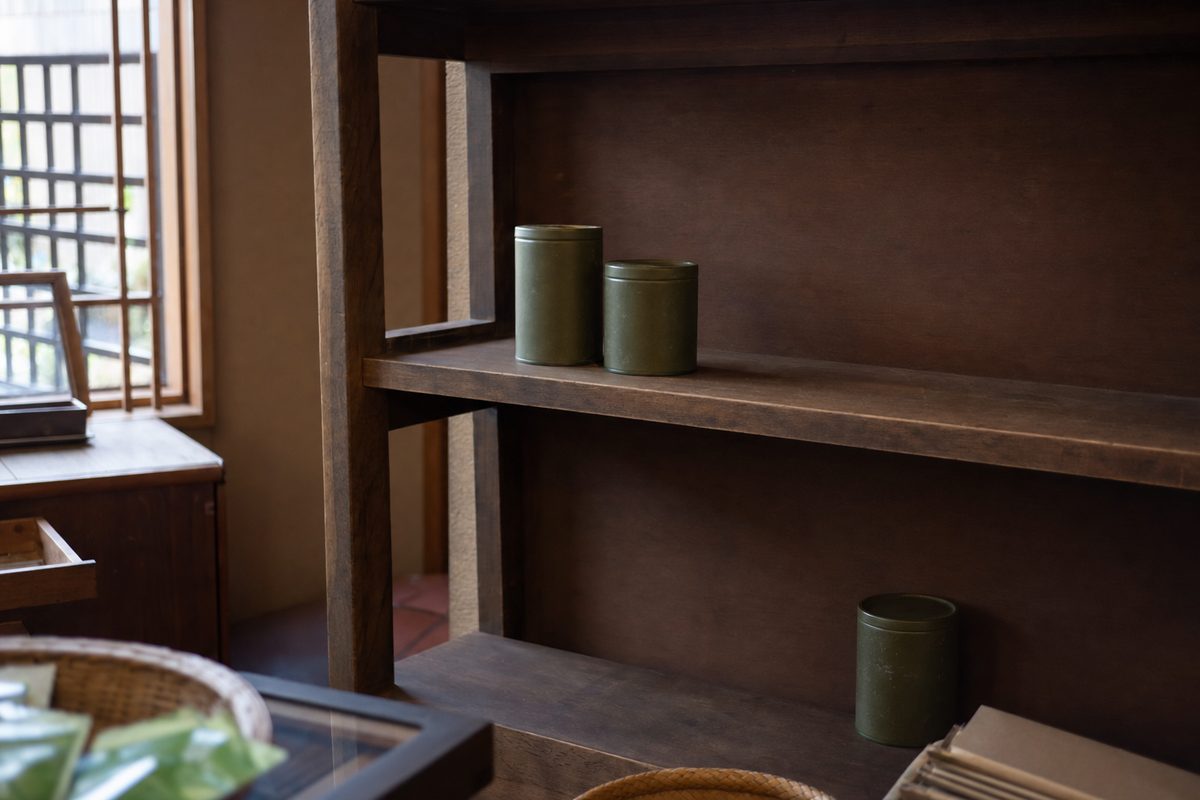
This week I sat down to order matcha from Marukyu Koyamaen — one of the two Uji mills I recommend most on this site. I wasn’t doing anything exotic. I wanted Wako, their classic everyday usucha, in the small 20g tin. The one thing every tea person in Japan considers a completely normal, always-available purchase.
Sold out.
Fine, I thought, I’ll take Isuzu instead. Sold out. Aoarashi, the workhorse culinary grade that cafés buy in bulk? Sold out. My wife watched me refresh the page a third time and asked, very kindly, if I was okay. I ended up paying for the larger 40g tin of Wako — ¥4,752 — because it was, quite literally, the option left.
I want you to understand how strange this is. This is like walking into an Italian grocery and finding the olive oil section stripped except for one magnum bottle. I live here. Matcha is not supposed to be scarce in Japan.
So if you’re abroad, staring at “out of stock” notices or prices that seem to have doubled since you last looked — you’re not imagining it. Here’s what’s going on.
The short version
Demand for matcha roughly exploded worldwide over the last few years, and the supply side physically cannot expand fast enough. Tencha — the shaded leaf that becomes matcha — is one of the slowest, most labor-intensive crops in Japanese agriculture. New tea fields take about five years to yield properly. Stone mills grind about 40 grams an hour. You cannot venture-capital your way out of that math.
Meanwhile:
- Social media turned matcha from a niche into a default. The matcha latte is now a global standard drink, not a curiosity. Every new café that opens anywhere on earth needs a steady supply.
- Tourism came back hard. Kyoto tea shops now serve lines of visitors buying tins by the armful as gifts. Some shops introduced per-person purchase limits because the shelves were emptying by noon.
- The middle got squeezed first. The premium ceremonial grades and the cheap industrial grades both still exist — it’s the good-value middle (exactly what I recommend to beginners) that sells out, because everyone wants it.
Japanese producers have been raising tencha output for years, but a tea bush doesn’t care about demand curves.
What I saw with my own eyes this week
To put numbers on it, my shopping attempt looked like this:
| What I tried to buy | Result |
|---|---|
| Marukyu Koyamaen Wako 20g | Sold out |
| Marukyu Koyamaen Isuzu | Sold out |
| Marukyu Koyamaen Aoarashi (culinary) | Sold out |
| Marukyu Koyamaen Wako 40g | In stock — bought it |
| Ippodo Sayaka-no-mukashi 20g | In stock — bought it |
Two observations from that table. First, even in the shortage, something from every serious mill is usually available — just not the exact tin you planned on. Second, the smaller tins disappear first. Sellers know a 20g tin is the “let me try this brand” purchase, and that’s exactly the customer flooding in right now.
What this means for you, practically
1. Stop hunting for one specific tin. If a shop lists the brand you want but not the grade you read about, buy the nearest grade rather than waiting. Within one good mill’s usucha range, the differences are subtle shades of the same quality. My shortlist of brands worth buying abroad still applies — just treat it as a list of mills, not of specific tins.
2. Be suspicious of miraculous availability. If every reputable source is strained and one webshop has unlimited stock of “premium ceremonial Uji matcha” at $9 per 100g — that price was impossible before the shortage. The label-reading rules matter more now, not less: named region, harvest, packed-on date.
3. Buy slightly bigger, store properly. I resisted large tins for years because freshness matters. But when small tins are the scarce item, the calculus flips: a 40g tin, kept sealed in the fridge and finished within a couple of months, beats waiting three weeks for a 20g restock. (Powder you’ve opened lives in the fridge, tightly closed, away from anything that smells. Matcha is a sponge for odors.)
4. Culinary grade is your latte’s friend. The shortage hit fancy grades and small tins hardest. For lattes and baking recipes, a solid culinary matcha is the correct choice anyway — save the good stuff for drinking straight, the way it’s meant to be prepared.
Will it get better?
Slowly, yes. New tencha fields planted during the boom are starting to mature, and producers have been shifting sencha fields over to shaded cultivation. But “slowly” here is measured in growing seasons. My honest expectation, sitting here in Tokyo: availability stays tight and lumpy for a while, with the spring harvest each year briefly loosening things before the shelves thin out again.
Until then, the winning strategy isn’t stockpiling — it’s flexibility. Know which mills you trust, take the grade that’s in stock, store it well, and drink it while it’s fresh instead of shelving it like a trophy.
The tea is still there. You just have to hold your plans a little more loosely — which, now that I write it down, might be the most Japanese tea lesson of all.
Is matcha actually sold out where you live, or is this a big-city problem? Tell me which brands you can still find — I’m keeping a running list, and I’ll update this report as the next harvest lands.
— Sen
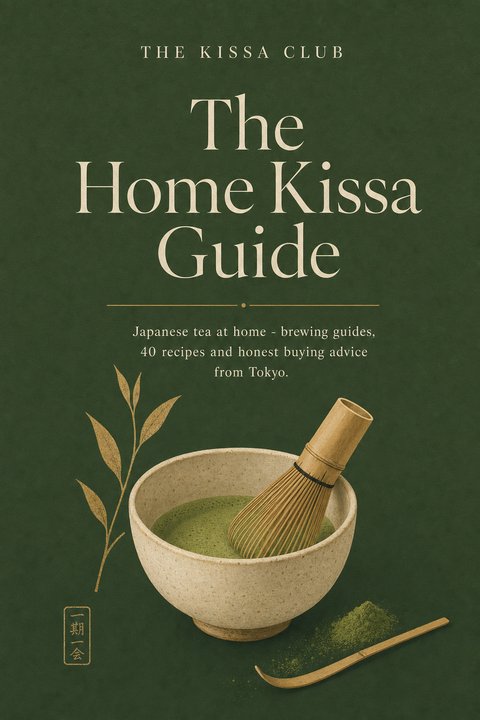
From the Kissa Club kitchen
The Home Kissa Guide
Everything on this site, organized into one book: brewing guides for matcha, sencha, hojicha & genmaicha, 40 café-style recipes, printable recipe cards, and the buying cheat sheet Japanese shoppers actually use. $19, instant download.
Get the guide →Want matcha that actually tastes like Japan?
Grab the free 5-Minute Matcha Cheat Sheet — ratios, temperatures, and the 3 mistakes to avoid, on one printable page.
Send me the cheat sheet →